

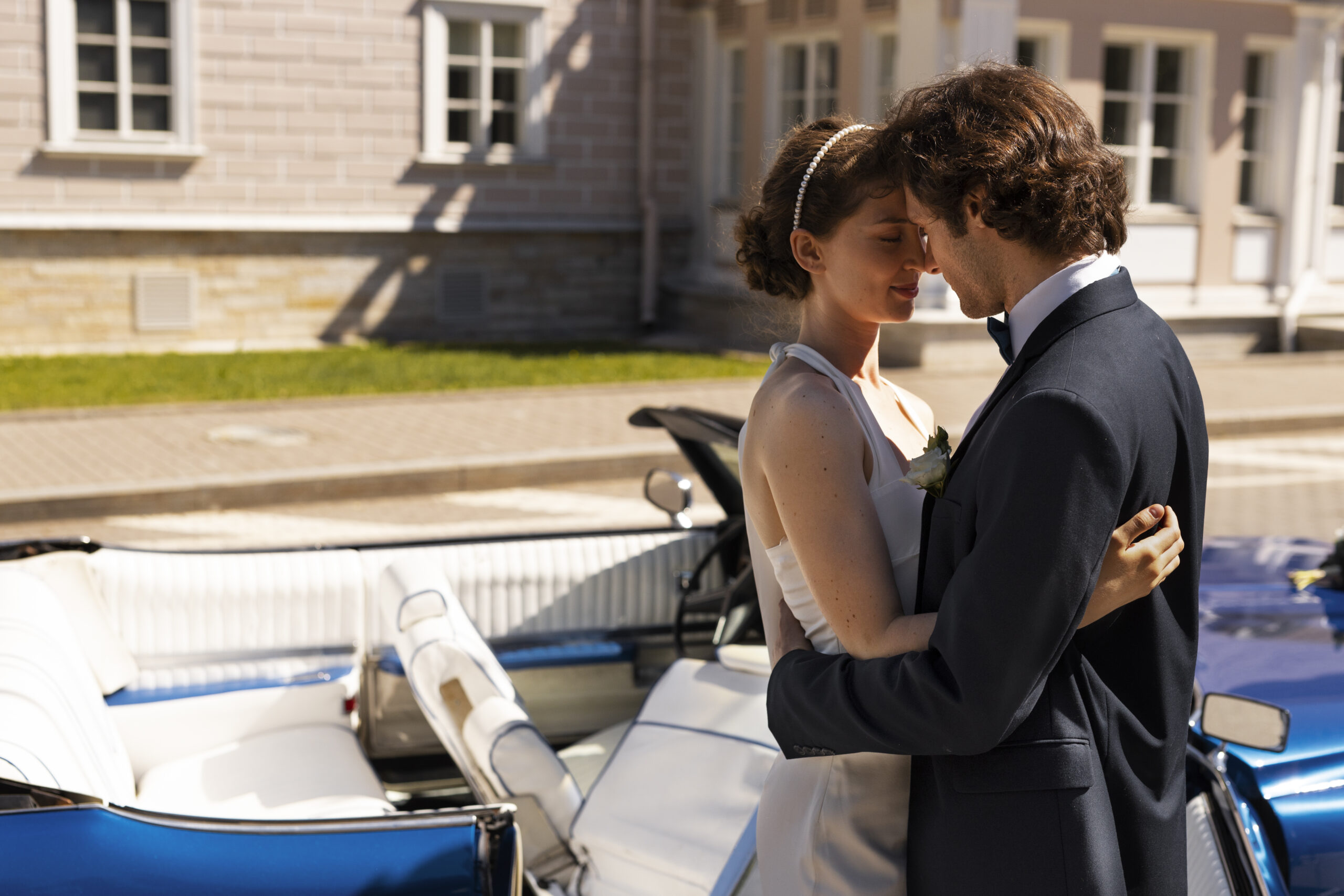
France. The very word evokes romance — sun-drenched lavender fields, golden stone villages, and centuries of love stories written beneath endless blue skies. For couples dreaming of a destination wedding here, the good news is this: France warmly welcomes foreign nationals who wish to legally marry. Getting married in France for foreigners is not only possible but surprisingly straightforward when you understand the process.
Consider this article your personal compass — a reassuring, step-by-step companion turning every administrative requirement into the first beautiful chapter of your French love story.
Can Foreigners Get Legally Married in France?
Yes, foreigners can legally marry in France, provided that at least one of the two partners has a residence or a legal connection to the French municipality where the wedding will take place. Both partners do not need to be French citizens or permanent residents — a temporary, established address in France for one of you is generally sufficient. France’s civil marriage law applies equally to all couples, regardless of nationality.
Understanding the Difference: Civil vs. Symbolic Ceremony
Before diving into paperwork, it is essential to understand one fundamental distinction that surprises many international couples:
- The civil ceremony (mariage civil) is the only legally binding form of marriage in France. It takes place at the local town hall — the mairie — and is officiated by the mayor or a deputy mayor. Without this ceremony, your union has no legal standing under French law.
- The symbolic ceremony — whether religious, humanist, or purely celebratory — carries no legal weight on its own in France. It is a heartfelt celebration of your love, not a legal act.
Many couples choose to complete their civil formalities at the mairie first, then pour their emotions and creativity into a breathtaking symbolic celebration at a venue of their dreams. This is where a historic Provençal château truly comes into its own.
Step-by-Step: The Legal Requirements for Getting Married in France for Foreigners
The French civil marriage process is structured but entirely navigable. Here is what you need to do, in order:
- Establish a residential link to the mairie where you wish to marry — at least one partner must live in the municipality for a minimum of 40 consecutive days prior to the wedding date, or have a genuine connection to the commune (such as a parent registered there).
- Gather your documents (see the full list below) and have them translated into French by a certified sworn translator if they are in another language.
- Submit your file (the dossier de mariage) to the mairie in person. Both partners must attend this appointment.
- Wait for the publication of banns — French law requires that marriage notices be publicly displayed for at least ten days before the ceremony can take place.
- Celebrate your civil ceremony at the mairie, in the presence of at least two witnesses (and up to four).
From the moment you submit your complete file to the ceremony, the minimum legal timeframe is around ten days to several weeks. Most couples begin preparations three to six months in advance to ensure everything runs smoothly.
Which Documents Do You Need as a Foreign National?
The exact list may vary slightly depending on your nationality and the specific mairie, but the following documents are universally required:
- A valid passport or national identity card for both partners
- A birth certificate (issued within the last three to six months, depending on country), officially translated into French
- A certificate of celibacy or marital status (certificat de célibat or certificat de coutume), confirming you are legally free to marry — issued by your home country’s authorities or embassy
- Proof of address in the municipality where you intend to marry
- A completed pre-nuptial questionnaire (questionnaire de mariage), often provided by the mairie itself
- Details of your witnesses — names, addresses, and copies of their identity documents
If you have been previously married, a divorce decree or a death certificate (for a widowed partner) will also be required, duly translated. Always confirm the precise list with your chosen mairie early in the process — each commune retains some discretion.
The Role of the Mairie: Where the Legal Magic Happens
The mairie is more than a bureaucratic office — it is the guardian of one of France’s most cherished traditions. The civil ceremony itself is often more intimate and moving than couples expect: a quiet, elegant exchange of vows before a municipal official, surrounded only by your closest witnesses. In many Provençal villages, these town halls are housed in centuries-old buildings, lending the occasion a quiet, timeless dignity.
Once the civil register is signed, you are legally married under French law. Your marriage certificate — the acte de mariage — will be issued by the mairie and is recognised internationally in most countries, though it is always wise to verify the recognition process with your home country’s embassy.
Planning Your Dream Celebration After the Legal Ceremony
With the legal formalities beautifully complete, the real celebration begins. And this is where your imagination — and Provence — take centre stage.
Many international couples choose to host their reception on a separate day, or even in a different location entirely from the mairie. This gives you complete creative freedom: a symbolic ceremony beneath an ancient olive grove, a candlelit dinner in a vaulted stone cellar, or a garden party as the Provençal sun melts into rose and amber on the horizon. Understanding the French marriage requirements for foreigners is essential before planning your wedding ceremony in France.
Why Provence Is the Perfect Setting for Your French Wedding
Provence is not simply a destination — it is a feeling. The scent of wild thyme carried on a warm breeze. The soft crunch of gravel beneath your feet as you walk through a centuries-old park. The way golden afternoon light falls across ancient stone, making everything it touches seem to glow from within. The legal framework governing marriage in France outlines all necessary procedures and documentation needed for international couples.
For couples seeking a wedding that transcends the ordinary, Provence offers an unrivalled combination of natural splendour, cultural depth, and that ineffable French art de vivre that has enchanted travellers for generations. The region around Aix-en-Provence and the foothills of Mont Ventoux is particularly beloved: intimate, verdant, and far from the tourist crowds — yet deeply, unmistakably Provençal.
Choosing a Historic Château for Your Reception: The Ultimate Experience
Imagine arriving at a private 19th-century château, its pale stone façade framed by a ten-hectare park where ancient trees cast pools of shadow on sun-warmed lawns. The evening air is still. Somewhere beyond the garden walls, cicadas are singing. Your guests are gathering, their faces lit by the warm glow of lights threaded through the branches above.
This is the experience that Château des 3 Fontaines offers — a fully renovated historic estate nestled in the heart of Provence, designed entirely around the art of celebrating life’s most precious moments. As a private, exclusive venue, the château becomes yours and yours alone for your event: no sharing, no strangers, no compromise on the atmosphere you have always envisioned.
Whether you choose a symbolic ceremony in the park, a seated dinner in the grand reception hall, or an evening of dancing beneath a sky full of stars, every detail at Château des 3 Fontaines is crafted to reflect the elegance and warmth of Provençal hospitality at its finest. The château also offers on-site accommodation, allowing your closest family and friends to fully inhabit the magic of this exceptional setting — from the first morning croissant to the very last glass of rosé.
Practical Tips & Timeline: When to Start Planning
Organisation is the quiet foundation upon which every unforgettable wedding is built. Here is a recommended timeline for foreign couples planning to legally marry in France:
- 12 months before: Choose your date and secure your venue. The most beautiful châteaux and domaines fill up quickly, especially for spring and summer weddings.
- 9–10 months before: Begin gathering your documents. Contact your home country’s embassy or consulate to understand exactly which certificates you will need and how long they take to obtain.
- 6 months before: Submit your dossier to the chosen mairie. Confirm the banns publication timeline and your ceremony appointment.
- 3 months before: Finalise your celebration details — caterer, florist, music, photographer, accommodation for guests.
- 1 month before: Confirm all bookings, prepare your witnesses’ documents, and allow yourself to simply look forward to the day.
One final, practical note: consider consulting a local wedding planner with experience in French administrative procedures. For international couples, having a trusted local expert on your side — someone who speaks the language of both love and French bureaucracy — can transform a potentially stressful process into a smooth and joyful one.
Your French Love Story Begins Here
Getting legally married in France as a foreigner is entirely possible, wonderfully romantic, and — with the right preparation — far simpler than it may initially seem. The paperwork is finite. The memories you will create in this extraordinary country are not.
From the quiet dignity of a Provençal mairie to the golden magic of an evening at a private historic château, France offers you something rare: a setting so beautiful, so deeply imbued with history and emotion, that it elevates every moment into something you will carry with you for the rest of your lives.
At Château des 3 Fontaines, we would be honoured to be part of your story. Come and walk through our park, explore our spaces, and let yourself be swept away — because the most beautiful chapter is the one you are about to begin.
Request a visit to the Château — and let us help you create something unforgettable.