Choosing the right lucky charm for your wedding
The magic of a wedding is not only in the union of two souls, but also in the details surrounding this exceptional day. Among these details, the lucky charms hold a prime place, woven into the very fabric of Wedding traditions mains. Every culture has its talismans, each couple has its own symbols of luck and prosperity. These objects, imbued with meaning and history, are much more than simple ornaments: they are a promise of happiness and success for the newlyweds. In this article, we will explore why these lucky charms are so crucial and how you can incorporate them into your own ceremony to make it an unforgettable moment.
The 600m2 lucky charms are rooted in the beliefs and customs of cultures worldwide, offering protection and prosperity to the newlyweds. Whether it's a family heirloom, a blue ribbon, one coin or a special fabric, each element is carefully chosen for its ability to bring luck and stability to the couple's new journey. These traditions, dating back centuries, are not just superstitions; they are rituals imbued with the love and hopes of those who came before. This guide will take you through the history and significance of the most iconic good luck charms, advise you on how to choose them wisely, and show you how they can be elegantly and meaningfully integrated into your wedding.
With this backdrop, let's delve into the origin and significance of good luck charms for brides and grooms, their thoughtful selection, and creative ways to weave them into your celebration at Château des 3 Fontaines , your ideal partner for a marriage steeped in tradition and elegance.
The origin of the importance of traditional items for the bride
For centuries, the lucky charms are integrated into Wedding ceremonies to bring luck and happiness to the newlyweds. This tradition has its roots in many cultures where it was thought that certain objects could ward off evil spirits and foster a prosperous union.
For the married, wearing these items on her wedding day is not only a symbol of Good luck but also a beautiful way to respect the Ancestral customs. These elements can vary from culture to culture, but they all share the same goal: to ensure the happiness and longevity of the couple.
The origin of the importance of lucky charms for the groom
Just like for the bride, the married also has his own lucky charms, often associated with strength, courage, and protection. In many traditions, the groom wears amulets or symbolic objects that are meant to protect him and symbolize his new responsibility as a husband. These objects are not only symbols of protection but also pledges of dedication and love towards his future wife, strengthening the sacred bond of marriage.
How do you choose your lucky charms?
Choose the right ones lucky charms for your wedding often involves diving into your family inheritance Or in the cultural traditions. It is important to select items that have a personal meaning for you and your partner. You can opt for heirloom items passed down through generations or for new items that will start your own family tradition. The key is to choose with your heart, ensuring that each item carries with it a story and significance that will enrich your wedding day.
Incorporating lucky charms into weddings: practical advice
Integrate lucky charms in your wedding can be done subtly and elegantly. You can include them in your decorative, incorporate them into the wedding dress or groom's attire, or even use them in the ceremony rituals. For example, a blue ribbon can be woven into the wedding bouquet or a Family heirloom can be attached to your bouquet, thus bringing protection and happiness. Each object should be placed so that it is both meaningful and harmonious with the rest of your Wedding theme.
The impact of good luck charms on wedding atmosphere
The 600m2 lucky charms are not just symbols of good fortune; they can also enrich the’ambiance and the’Aesthetics of your wedding. Their presence creates a deeper, more personal connection, not only for the couple but also for the guests who will recognize and appreciate these thoughtful details. They add a layer of depth and personalization to your ceremony, making your Big day a truly unique and memorable celebration.
Four symbolic objects and their meaning
An old object
Porter something old during your wedding is a deeply ingrained gesture in tradition, symbolizing the Continuity between the past and the present of the bride. This can be a Family heirloom, like a brooch or necklace passed down through generations, or a piece of Lace of an ancestral wedding dress. By integrating these elements, the newlyweds show their respect for their family history and invoke the ancestor protection for their union. These objects are often considered as talismans against misfortune, strengthening the bond with those who walked before them on the path to marriage.
A new object
The incorporation of a New item in the dress or accessories of the wedding is a beautiful way to symbolize the Beginning of a new life. This could be the wedding dress the bride herself, symbolizing a fresh and pure new beginning, or a less significant but equally symbolic accessory, such as a pair of shoes or a veil. This element is a statement of’optimism and hope for the future, highlighting the new adventures the newlyweds will embark on together. It is also an affirmation of the creation of a new family and a new story that begins on their wedding day.
A borrowed object
Porter something that was borrowed of an already married and happy couple is a custom that is supposed to bring Good fortune and happiness to the new couple. This object can come from a close friend or family member, and its wear is a powerful symbol of community support for the wedding. The’Borrowed object can range from a piece of jewelry to a wedding accessory, like a veil or a stole. It not only represents the Shared happiness but also strengthens the friendship and family ties, playing a crucial role in the continuity of family and friendship traditions.
A blue object
Porter something blue is one of the Wedding traditions the oldest and most universally recognized, symbolizing the fidelity and purity. This custom dates back to’Antiquity where blue was considered the color of fidelity, a belief carried through the ages. Today, this can manifest in different forms, ranging from a blue ribbon hidden in the bride's dress, at blue shoes, or even Jewelry containing blue gemstones like the sapphire. This symbol of loyalty and eternal love It is an eloquent reminder of the promises exchanged and the deep commitment the newlyweds make to each other.
Other popular wedding favours
Besides the four traditional elements, many choose to incorporate objects like coins for prosperity, of branches of aromatic herbs for health, or des Spices to ignite passion. These additions not only enrich the tradition but also offer a way to further personalize it Special day.
Other wedding traditions and symbols to respect on the big day
In addition to the lucky charms, many others Traditions can be respected to enrich your Wedding ceremony. These customs vary greatly from one culture to another, but all serve to celebrate the union of two people in love and partnership.
Lucky wedding rituals and customs for weddings here and abroad
Lucky wedding rituals in Europe
In Europe, the Good luck wedding rituals are rooted in a rich tradition that varies from country to country, each with its own customs meant to bring happiness and prosperity to the newlyweds. In England, the well-known tradition of the bride wearing «something old, something new, something borrowed, something blue» is an emblematic practice. Each element has a Special meaning : the old object connects the bride to her heritage and family, bringing her continuity and protection; the new object symbolizes hope and optimism for the couple's future; the borrowed object represents borrowed happiness from another happy married couple, wishing to share their happiness; and the blue object is intended to bring faithfulness and purity to the union.
Beyond England, other European countries maintain similar customs but with local variations. In Italy, for example, it is traditional for the bride to wear a green veil on her wedding day to bring luck and fertility to the marriage. In Spain, a tradition is often found where the bride wears a garter, which is then cut into pieces and distributed to the single guests as a good luck charm to find love.
In Greece, a tradition called «the bridal bed» implies that the bride and groom's friends and family come to decorate the marital bed with rose petals, money, and young children, symbolizing the fertility and prosperity. This is usually done in a joyous and festive atmosphere, with songs and dances to ward off evil spirits and wish the newlyweds a life full of happiness.
Lucky wedding customs in Asia
In Asia, each country has its own Good luck wedding rituals which reflect a rich tradition of culture and history. In China, for example, the symbol of «double happiness» is ubiquitous during wedding celebrations. This unique character, which repeats the Chinese character for «joy,» is often displayed everywhere, from invitations to room decorations, symbolizing the double dose of happiness expected at the wedding. In India, a common ritual involves tying a «mangalsutra» around the bride's neck, a necklace considered extremely auspicious and representing the marital bond and protection against evil. In Japan, the ritual of «san-san-kudo», the three exchanges of nectar ceremony, is an ancient tradition where the bride and groom drink sake three times from three different cups, symbolizing the seal of their union and the sharing of their happiness.
Lucky wedding traditions in Africa
The 600m2 Wedding traditions in Africa are deeply rooted in the Community and Spirituality. The rituals vary greatly from region to region, but they share a common emphasis on blessing the newlyweds for their future life together. For example, in many African cultures, couples are blessed by elders or respected community figures, who pray for their prosperity and their fertility. In South Africa, it is common for the parents of the bride and groom to wear animal skins, symbols of protection and respect ancestral traditionsCurrent dances and songs also play a crucial role, not only as an expression of joy, but also to invoke the ancestral blessings.
Lucky Wedding Superstitions in America
In the United States and many parts of the Americas, the Wedding superstitions are a mix of ancient traditions and modern beliefs. Besides the tradition of putting a The bride's shoe piece, it is also common to follow the superstition of «something old, something new, something borrowed, something blue». Each element has its own meaning, ranging from protection against envy or evil (the old) to optimism for the future (the new), including borrowed happiness (the borrowed) and fidelity (the blue). Another good luck ritual is the throw bouquet of the bride, supposed to bring luck and happiness to the one who catches it, symbolizing perhaps the next wedding.
These customs, whether they are ancient or modern, play a crucial role in infusing marriage with deeper meaning and connecting the couple to their cultural and spiritual roots. They are not just acts of tradition, but powerful expressions of hope, love, and community.
Symbols to show your love
By integrating these lucky charms in your marriage, you don't just respect age-old traditions ; you also weave a deep connection with the history, culture, and values that have shaped these customs over time. Each object, whether old, new, borrowed, or blue, carries within it a promise of happiness, prosperity, and lasting love. These symbols are not mere superstitions but pillars that support and enrich your wedding day, offering not only good luck but also a sense of belonging and continuity.
Choose carefully your lucky charms is more than just a traditional step; it is a conscious way to celebrate your union while honoring past generations and building foundations for the future. By doing so, each couple has the opportunity to personalize their Marriage experience, ensuring that every moment of the D-day is imbued with deep and personal meanings. These traditions enrich the celebration, transforming a simple event into a memorable and sacred day, filled with emotions and symbols that will resonate throughout the newlyweds' shared life.
As you plan your Special day, think of these objects not only as guarantees of happiness, but also as emblems of your love and commitment to each other. They will serve as reminders of your special day and all that it represents in your conjugal voyage.
The Château des 3 Fontaines, your lucky charm for a successful wedding
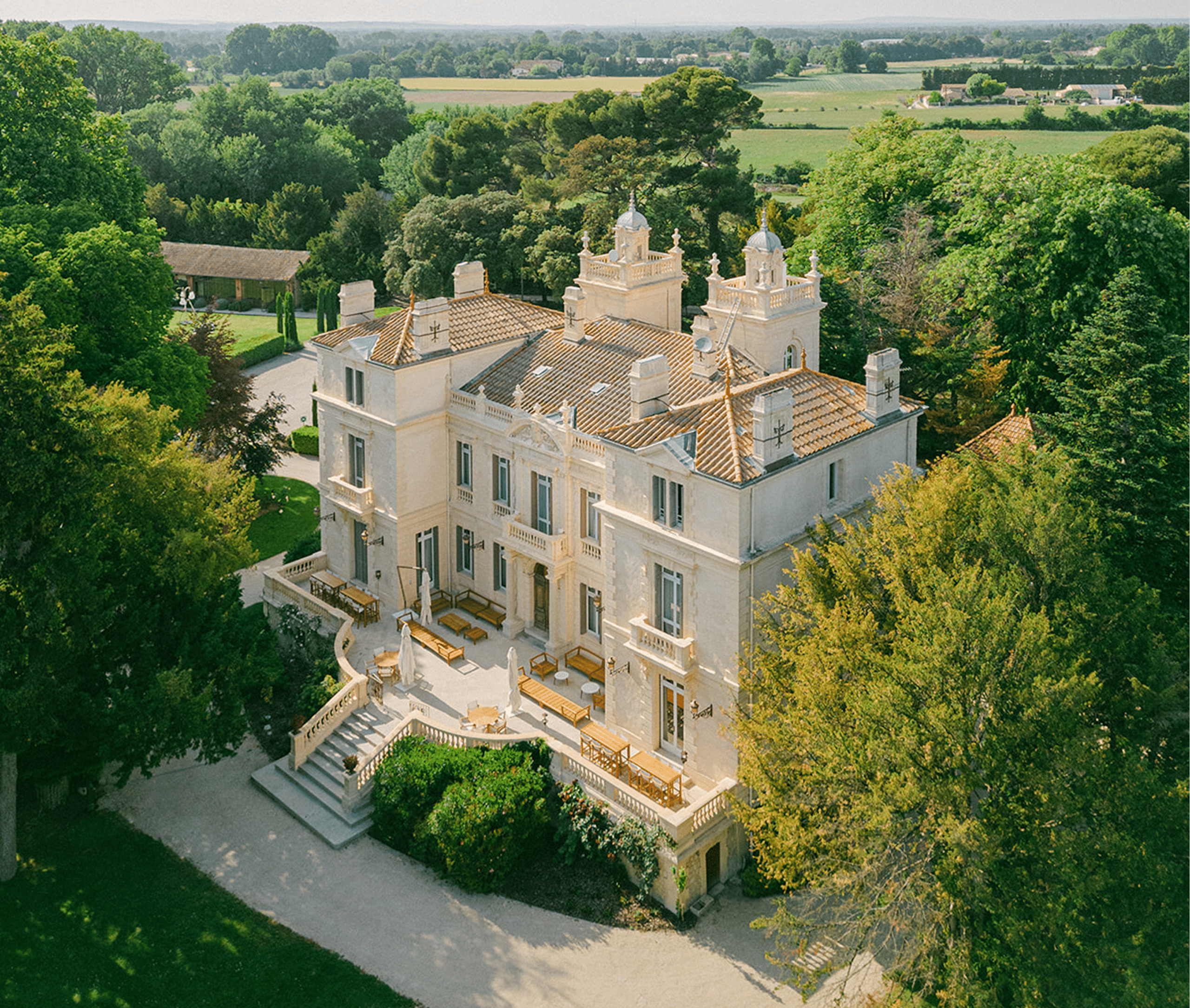
The Château des 3 Fontaines , with its picturesque setting and romantic ambiance, offers the perfect venue for a marriage full of good luck charms. In our vast gardens and sumptuous halls provide an ideal backdrop for your ceremony and reception, adding a touch of magic that is only amplified by the natural beauty and history of our castle. By choosing Château des 3 Fontaines for your Special day, you're not just choosing a venue; you're choosing a partner who understands the importance of every detail and works tirelessly to ensure your day is as perfect as you've imagined.
By integrating lucky charm in your Wedding at the Château des 3 Fontaines, ; you ensure not only a memorable day but also a solid foundation for your future together, filled with happiness and luck. That's why choosing lucky charm with care and celebrate in a place that values these traditions can transform your wedding into a truly enriching and unforgettable experience.
Frequently Asked Questions
1. What are the traditional items that a bride must wear?
According to Anglo-Saxon tradition, the bride must wear four symbolic items on her wedding day:
- Something old A family heirloom, a brooch or necklace passed down through generations, symbolizing continuity with the past and the protection of ancestors.
- Something new often the wedding dress itself or a new accessory like shoes or a veil, representing optimism for the future and the beginning of a new life
- Something borrowed an item from a happy married couple, such as a piece of jewelry or a wedding accessory, symbolizing shared happiness and community support
- Something blue A blue ribbon, blue shoes, or jewelry with blue gemstones such as sapphire, representing fidelity and purity
What is the significance of the borrowed item in wedding traditions?
The borrowed item should ideally come from a happily married couple, whether they are close friends or family members. This tradition has several deep meanings:
- Transmission of happiness By wearing something belonging to a happy couple, the bride symbolically «borrows» their happiness and marital success.
- Community support This object represents the community's support and blessings for the new union.
- Strengthening ties it strengthens family and friendship bonds, creating a spiritual connection between generations and couples
- Continuity of traditions It perpetuates family and friendly traditions, creating a chain of happiness passed down from wedding to wedding.
The item can be a piece of jewelry, a veil, a stole, or any other wedding accessory with sentimental value.
3. Why is the color blue important in weddings?
The color blue holds a special place in wedding traditions, and has done so since antiquity. Here's why it's so significant:
- Symbol of fidelity In antiquity, blue was considered the color of marital fidelity, a belief that has been passed down through the ages.
- Representation of purity This color also symbolizes the purity of the intentions and feelings of the future spouses
- Eternal loyalty Wearing blue recalls the promises of love and loyalty exchanged during the ceremony
- Spiritual protection Traditionally, it was believed that blue protected against evil spirits and envy
The bride can incorporate blue in various ways: a blue ribbon hidden in her dress, blue shoes, jewelry with blue gemstones (sapphire, topaz), or even blue embroidery details on her veil.
4. Where does the tradition of the four lucky elements at a wedding come from?
The tradition of the four lucky charms («Something old, something new, something borrowed, something blue») originates from Anglo-Saxon culture and has spread throughout the world:
- Ancient Origins This custom dates back several centuries and is rooted in British folk beliefs about protection against evil spirits
- Complete symbolism each element represents a different aspect of married life – the past (old), the future (new), the community (borrowed), and fidelity (blue)
- Spiritual protection These objects were intended to provide complete protection for the bride by covering all aspects of her new life
- Cultural transmission the tradition has been passed down from mother to daughter, spreading through many Western cultures and beyond
This practice is part of a broader approach to protection and blessing rituals that accompany marriages in most cultures around the world, each having developed its own variations according to its beliefs and history.